Afternoon Tea Etiquette: Your Complete Guide
Remember when James Corden interviewed Prince Harry on that open double-decker bus in Los Angeles? They attempted afternoon tea while touring the city - with hilarious results. Tea spilled everywhere, trolleys slid dangerously down the aisle, and Prince Harry ended up wearing both his tea and the trolley.
It's a shame Prince Harry hadn't experienced a proper English afternoon tea bus tour with Brigit's Bakery first... Because we know all about afternoon tea etiquette and would definitely make sure he doesn't end up with tea all over his clothes. None of our customers ever do!
Whether you're attending afternoon tea at a luxury hotel or booking one of our afternoon tea bus tours, understanding the customs helps you feel confident. From which finger to use when holding your teacup to the great debate over cream or jam first, British afternoon tea etiquette has delightful quirks worth knowing. Quiz night coming up, anyone?
So without further ado... here's your complete afternoon tea etiquette guide (with your most burning questions answered).
Why is it called Afternoon Tea?
The tradition began in the 1840s, credited to Anna, the 7th Duchess of Bedford. She experienced "a sinking feeling" during the long gap between lunch and dinner (typically served around 8pm).
To solve this, the Duchess started requesting tea, bread, butter, and cakes in the late afternoon. Then she decided to invite friends over, and the custom quickly became fashionable - we can definitely see why. By the 1880s, afternoon tea had become an established social occasion across Britain.
The timing - typically between 3pm and 5pm - sets it apart from other tea services.
Cream Tea, Afternoon Tea, High Tea or Royal Tea - what's the difference?
Understanding these terms helps clarify what to expect:
- Cream Tea - just scones with clotted cream, jam, and tea.
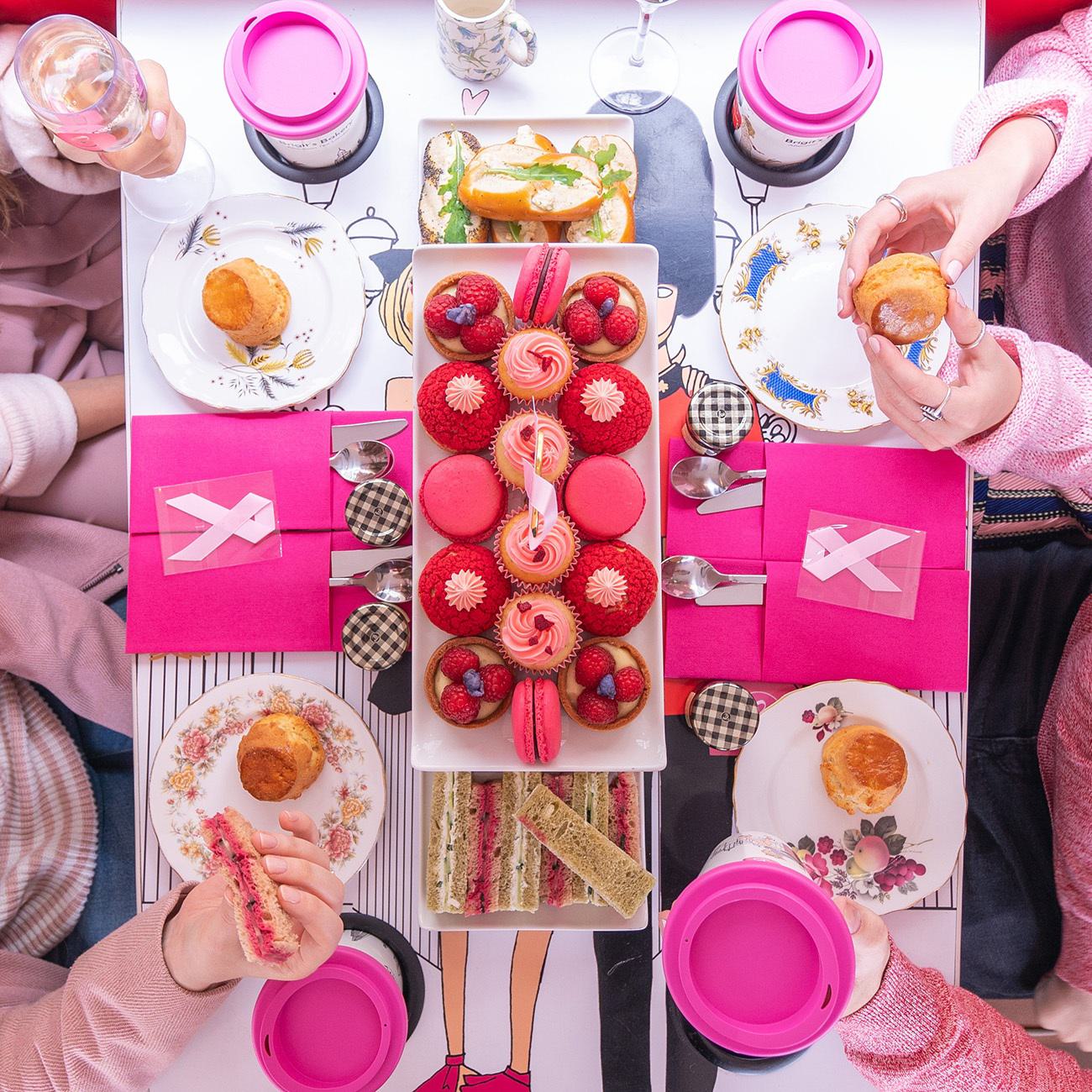
- Afternoon Tea - the full traditional experience including finger sandwiches, scones with cream and jam, cakes and pastries, and tea or coffee.
- High Tea - often confused with afternoon tea and its etiquette, but quite different. Originally a working-class meal served around 6pm with heartier fare, high tea etiquette is less formal despite the name.
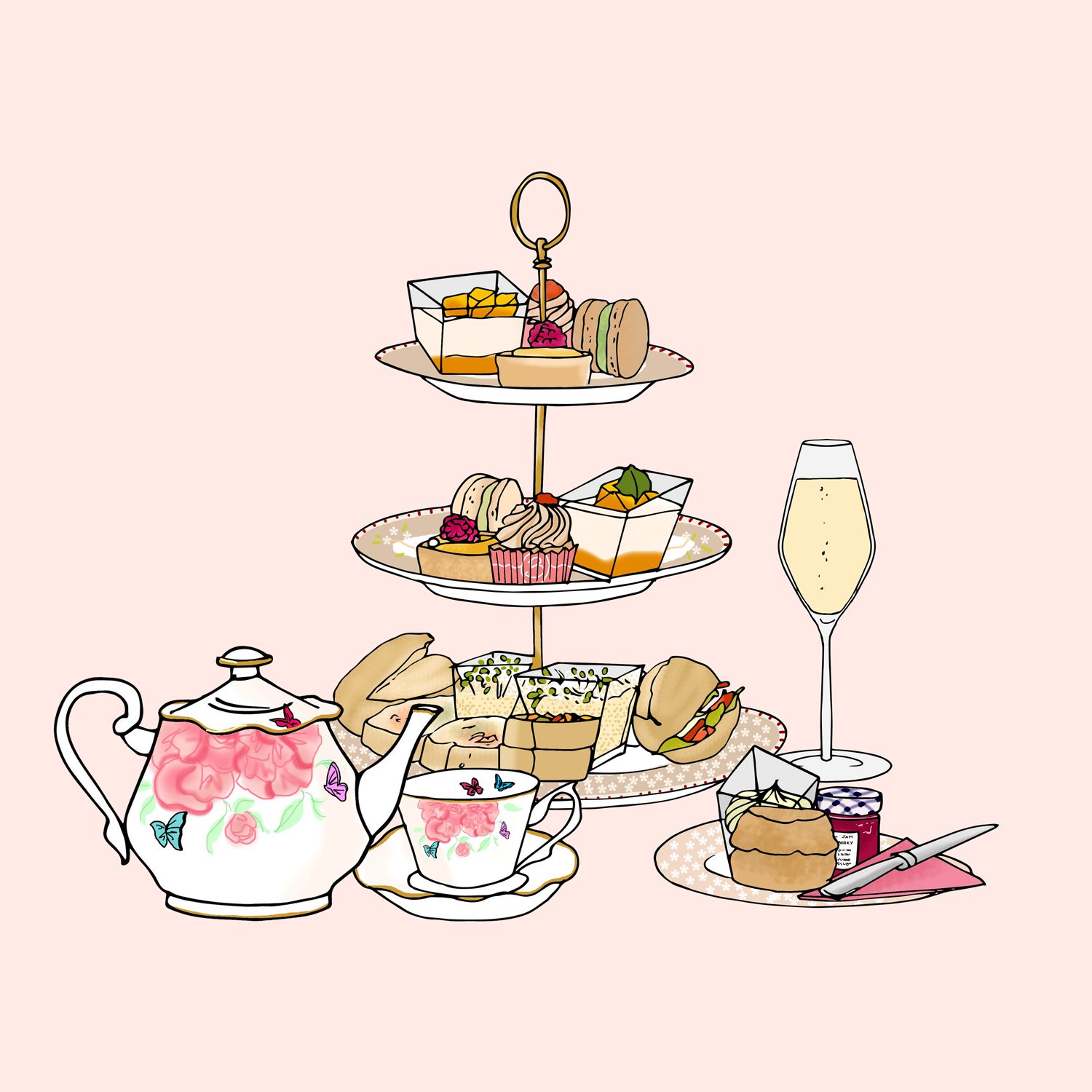
- Royal Tea - traditional afternoon tea plus champagne or wine.
What's your favourite?
What is the dress code for Afternoon Tea?
The English high tea dress code (or more accurately, afternoon tea dress code) varies by venue.
Traditional venues like luxury hotels often request smart casual attire:
- Smart trousers or chinos with a collared shirt for men.
- Dresses, skirts, or smart trousers with a blouse for women.
- Closed-toe shoes.
Modern venues including our afternoon tea bus tours or our iconic bakery in Covent Garden take a more relaxed approach. We welcome smart casual dress.
What are three rules of etiquette for afternoon tea?
If you only remember three rules of traditional British afternoon tea etiquette, make them these:
1. Eat in the correct order: Sandwiches first, then scones, then cakes.
2. Break your scones by hand: Never cut a scone with a knife. Break it gently in half with your hands, then break off bite-sized pieces.
3. Saucer stays on the table: When seated at a table, leave your saucer on the table and lift only the cup to drink.
Having said that, when you join one of our afternoon tea experiences, you're more than welcome to do exactly as you please.
What are the 7 etiquette rules?
If you want to be traditional, British afternoon tea etiquette includes several 'rules':
1. The correct eating order: Start with finger sandwiches, move to scones (while warm), and finish with cakes.
2. How to handle scones: Break them in half by hand. Break off small, bite-sized pieces. Spread cream and jam on each bite rather than the whole half.
3. Tea stirring technique: Avoid circular motions, stir gently back and forth, and never clink your spoon against the cup.
4. The milk question: Traditionally, milk goes in first. However, many modern tea drinkers add it after. Either is now acceptable.
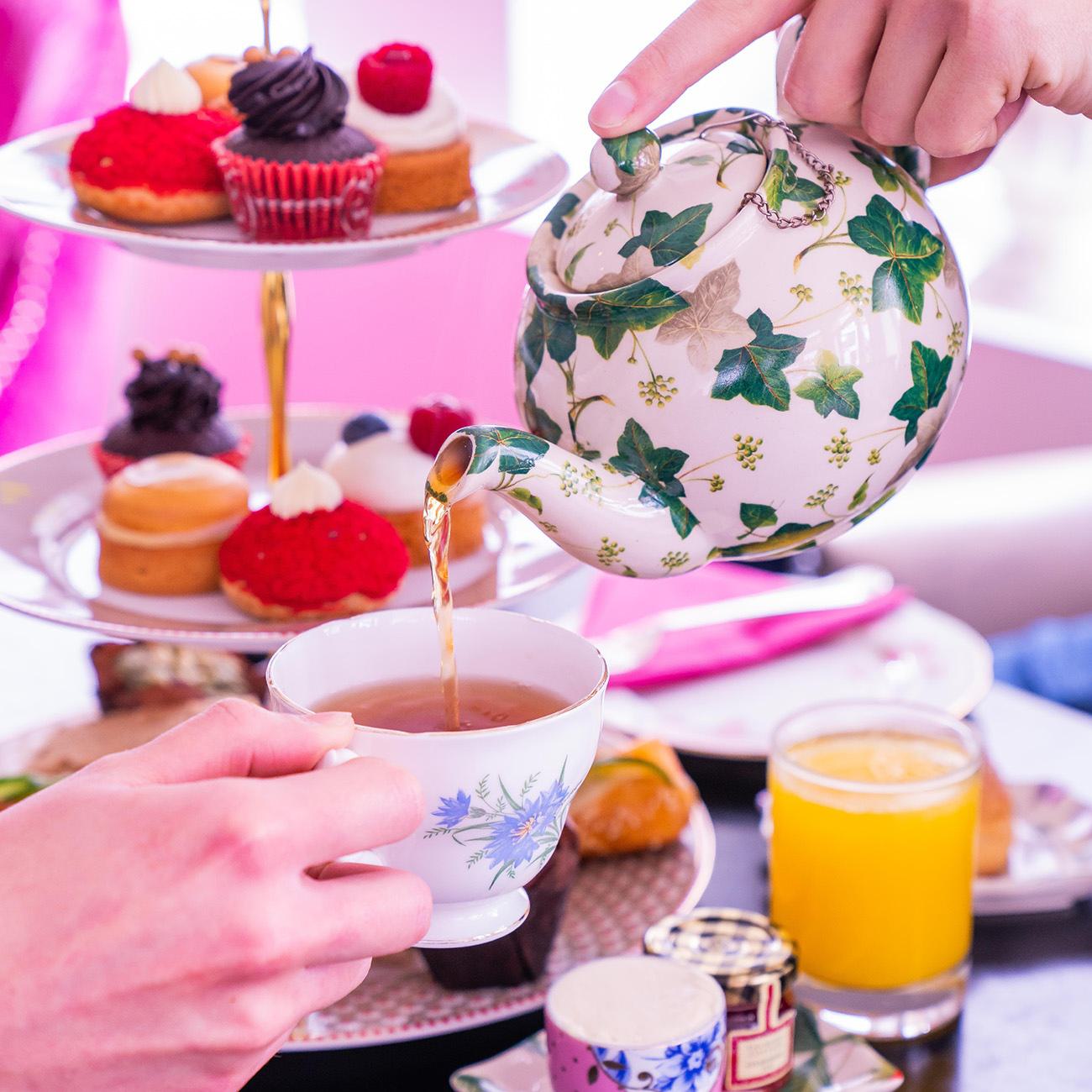
5. Holding your teacup: Use your thumb and index finger to hold the handle, with your middle finger supporting underneath. No need to stick your pinky out.
6. Napkin placement: Place your napkin on your lap immediately and use it to dab your mouth. When leaving temporarily, place it on your chair.
7. General table manners: Wait for everyone to be served before starting, engage in polite conversation, and most importantly, enjoy yourself.
What is frowned upon in afternoon tea?
Certain behaviours go against afternoon tea etiquette UK customs:
- Dunking biscuits is considered poor form at formal afternoon tea, though perfectly acceptable at home.
- Cutting scones with a knife rather than breaking them by hand shows unfamiliarity with proper tea etiquette.
- Overfilling your plate appears greedy. Take small portions and return for more if desired.
- Using your phone excessively undermines the social nature of the occasion.
Is it rude to stick your pinky out when drinking tea?
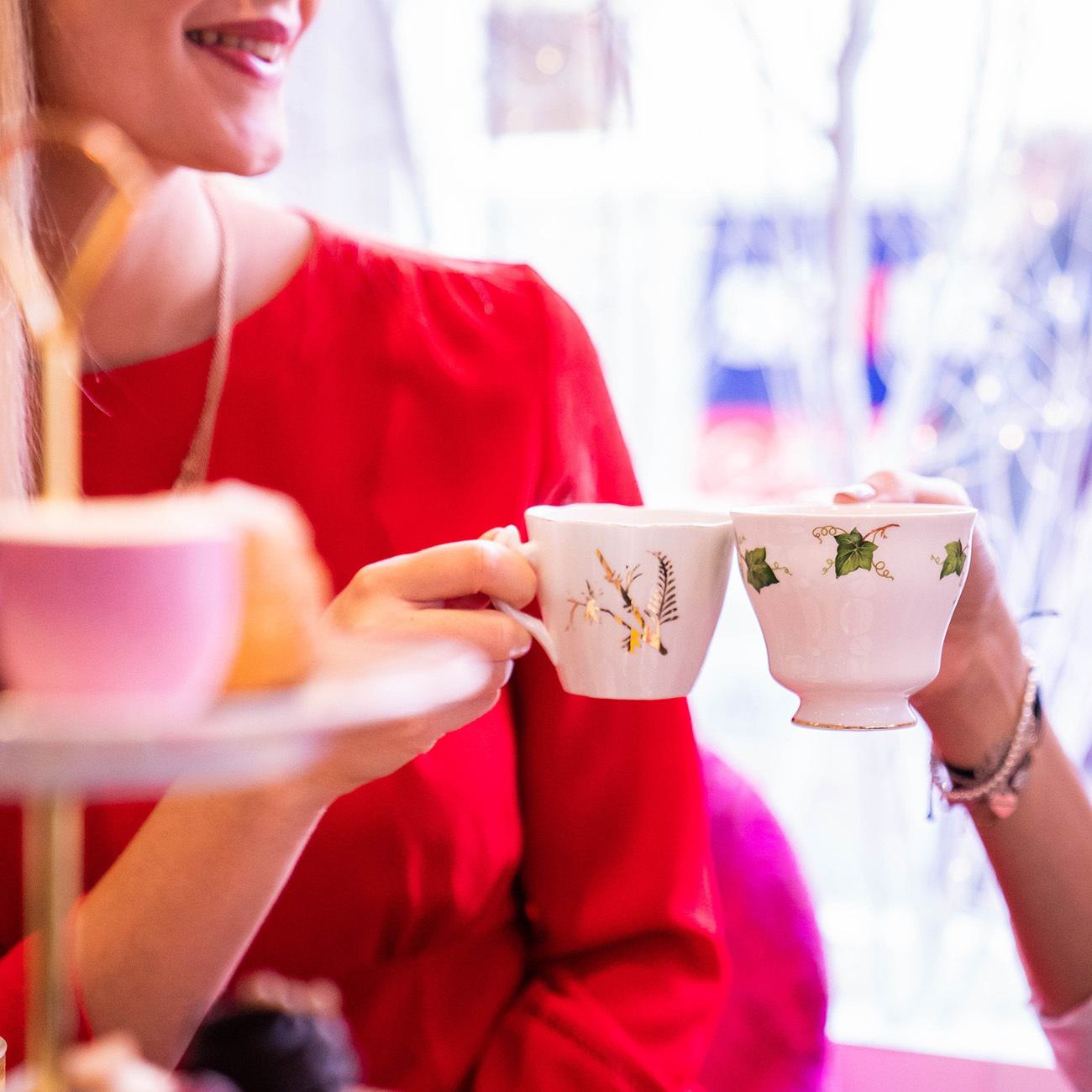
This is a question we get asked a lot, and yes, contrary to popular belief, sticking your pinky out when drinking tea is considered pretentious rather than elegant. This gesture has no place in genuine tea etiquette rules.
The correct method involves using your thumb and index finger to grip the handle, with your middle finger supporting from below. Your remaining fingers should follow the curve of the handle naturally - exactly the kind of detail James Corden and Prince Harry missed during their LA bus tour.
Is it acceptable to dunk biscuits into my tea?
At formal afternoon tea, dunking is generally frowned upon. The risk of biscuit pieces breaking off makes this practice unsuitable for elegant occasions.
However, at casual venues and certainly at home, dunking is perfectly acceptable. The key is reading the room - at a luxury hotel, resist the urge. On a relaxed afternoon tea bus tour, do what makes you happy!
Cream or jam first?
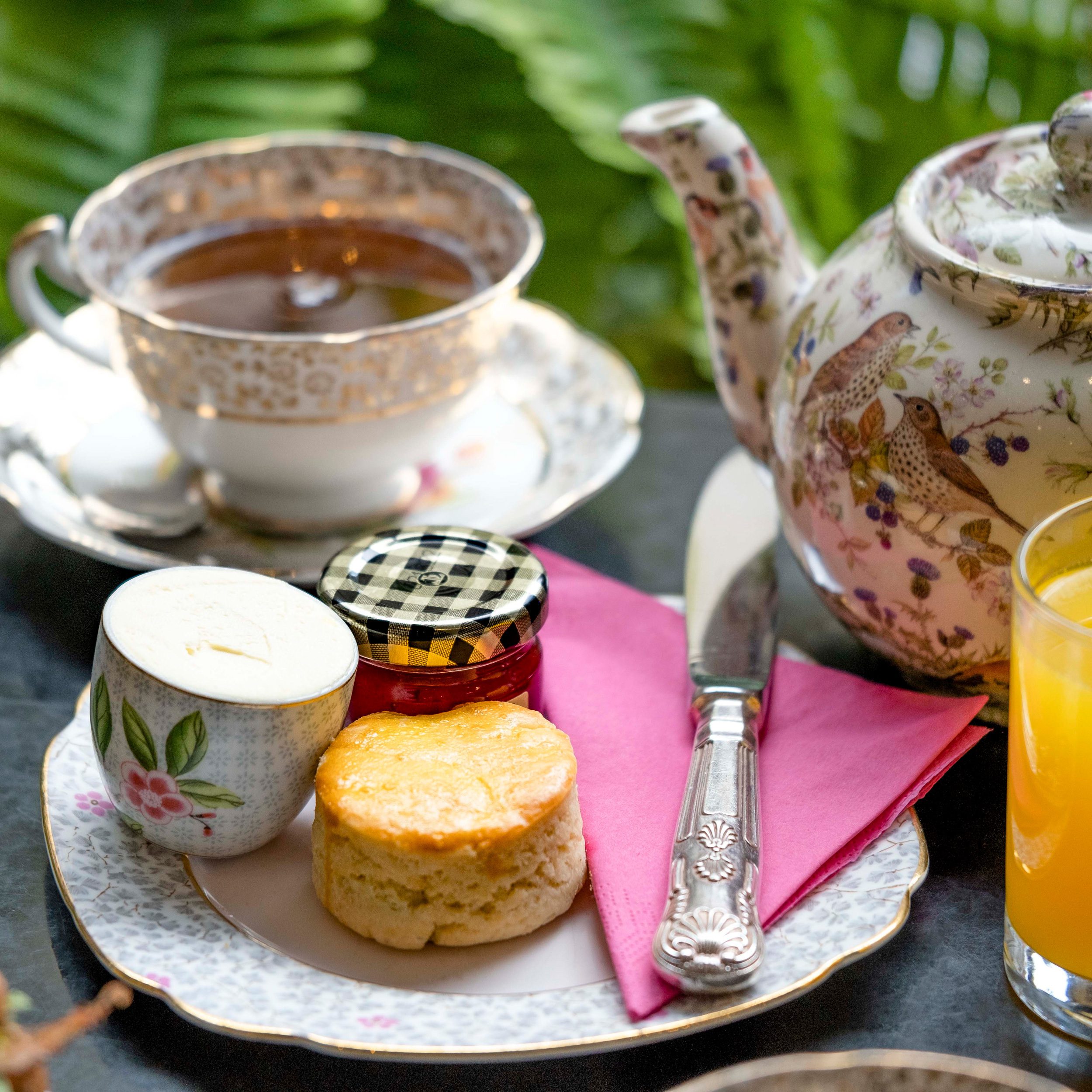
This is the great British debate, but it's this simple:
- Cornwall: Jam first, then clotted cream on top.
- Devon: Clotted cream first, then jam on top.
Both regions feel passionately about their method. There's no universally "correct" answer. At Brigit's Bakery, we provide both and leave the decision entirely to you.
How should I stir the tea?
Stir gently using a back-and-forth motion rather than circular movements. Never tap or clink your spoon against the cup. When finished, place the spoon quietly on the saucer behind the cup.
Unlike James Corden's LA attempt, we don't pour tea from great heights. Our staff expertly navigate London's streets while serving your drinks in reusable travel mugs with lids - preventing spilling accidents. You get to take them home as keepsakes.
Fun facts about tea etiquette
- The "proper" way to hold a teacup with handle at 3 o'clock (for right-handers) or 9 o'clock (for left-handers) comes from when saucers had indentations to hold cups steady.
- Milk in first originally prevented fine bone china from cracking when hot tea was poured.
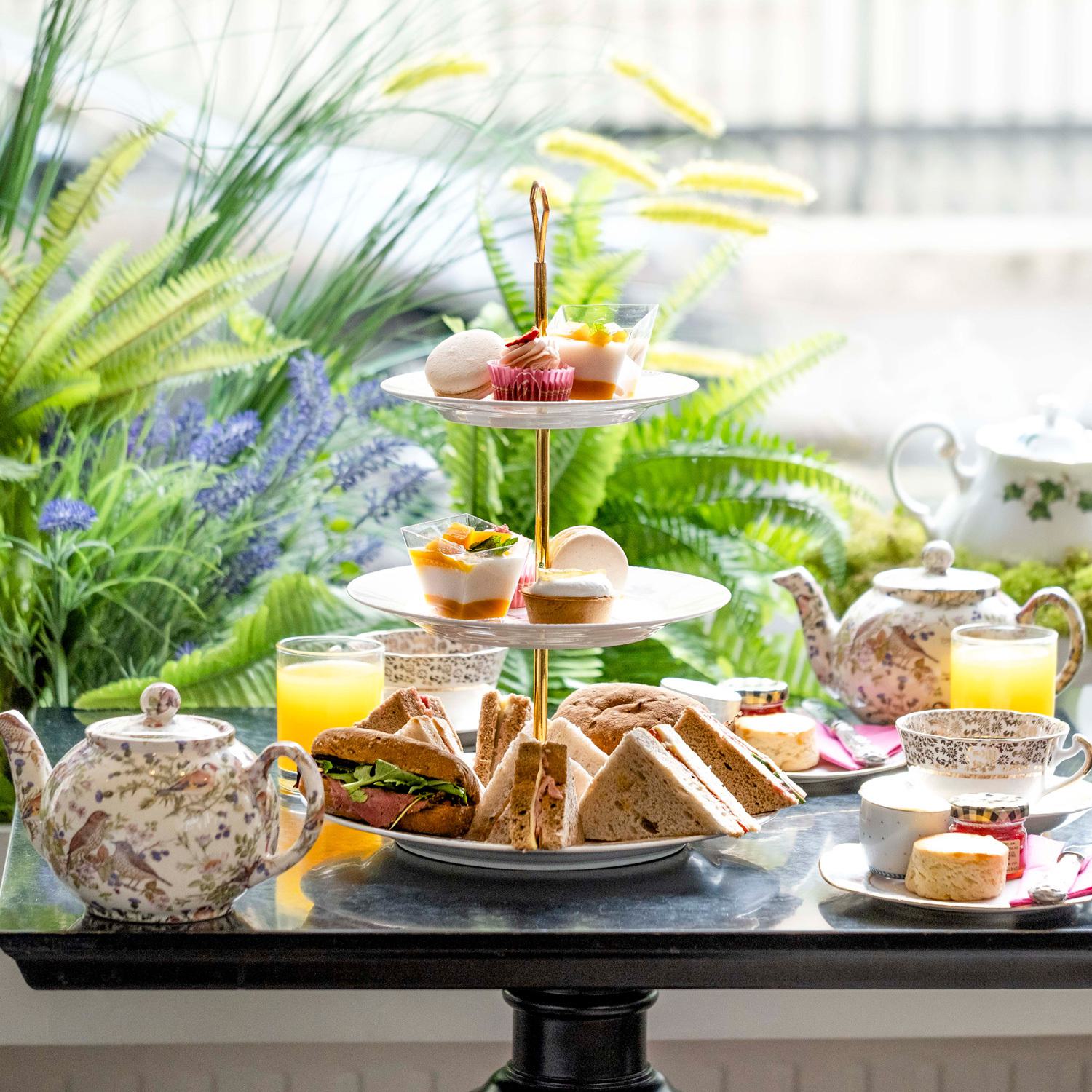
- Three-tiered stands aren't just decorative. The bottom tier traditionally holds sandwiches (eaten first), the middle tier holds scones, and the top tier displays cakes and pastries.
Interesting, right?
Our afternoon tea etiquette guide: Brigit's Bakery's approach
At Brigit's Bakery, we've been perfecting afternoon tea since 2014. We respect traditional British afternoon tea etiquette while making the experience accessible and enjoyable.
Our Classic Afternoon Tea Bus Tour combines traditional afternoon tea with London sightseeing. You'll enjoy finger sandwiches, homemade cakes, scones with jam and clotted cream, and fine teas or coffee - all served on vintage Routemaster buses touring past London's iconic landmarks.
To see our latest menus, click on the one that meets your specific dietary requirements or preferences:
We also offer themed tours including Peppa Pig, PAW Patrol, Paddington, and MONOPOLY experiences, each with bespoke menus. Please note, booking for these tours go through our partner website Fever, so if you're being redirected, it's all part of the experience.
Prefer a stationary setting? Visit our Covent Garden bakery for traditional afternoon tea in elegant surroundings.
Frequently Asked Questions about Afternoon Tea Etiquette
Do I need to follow every etiquette rule?
The most important rule is enjoying yourself. Traditional afternoon tea etiquette provides helpful guidance, but the occasion should feel pleasant, not stressful. At modern venues like our bus tours, we prioritise your enjoyment over rigid formality.
What if I make a mistake?
See above... Remember, afternoon tea is meant to be relaxing and enjoyable.
Are children expected to follow afternoon tea etiquette?
Our themed afternoon tea tours are designed to be child-friendly while introducing young ones to this British tradition in the most relaxed and fun way possible.
How formal should I be at afternoon tea?
This depends on the venue. Luxury hotels tend toward formality, while modern cafes and our bus tours embrace a relaxed atmosphere. When in doubt, smart casual dress and polite manners will serve you well.
Ready to experience traditional British afternoon tea?
Now that you understand afternoon tea etiquette, why not put your knowledge into practice? Book one of our afternoon tea bus tours and enjoy this quintessentially British tradition while exploring London's landmarks - with none of the spills Prince Harry experienced in LA.
So, which experience will you book first to practise your afternoon tea etiquette?